The Kansai region of Japan, encompassing historic Kyoto, vibrant Osaka, ancient Nara, and surrounding areas, stands as one of the most layered and multifaceted parts of the country. It is a place where the echoes of Japan’s imperial past meet the pulse of modern life, where serene spiritual retreats coexist with bustling urban energy, and where timeless natural beauty contrasts sharply with human ingenuity. A personal journey through Kansai, as captured in a series of photographs, reveals these contrasts vividly: the dynamic energy of iconic shrines, the tranquil harmony of traditional gardens, the playful randomness of everyday details, and the quiet dignity of historical sites.
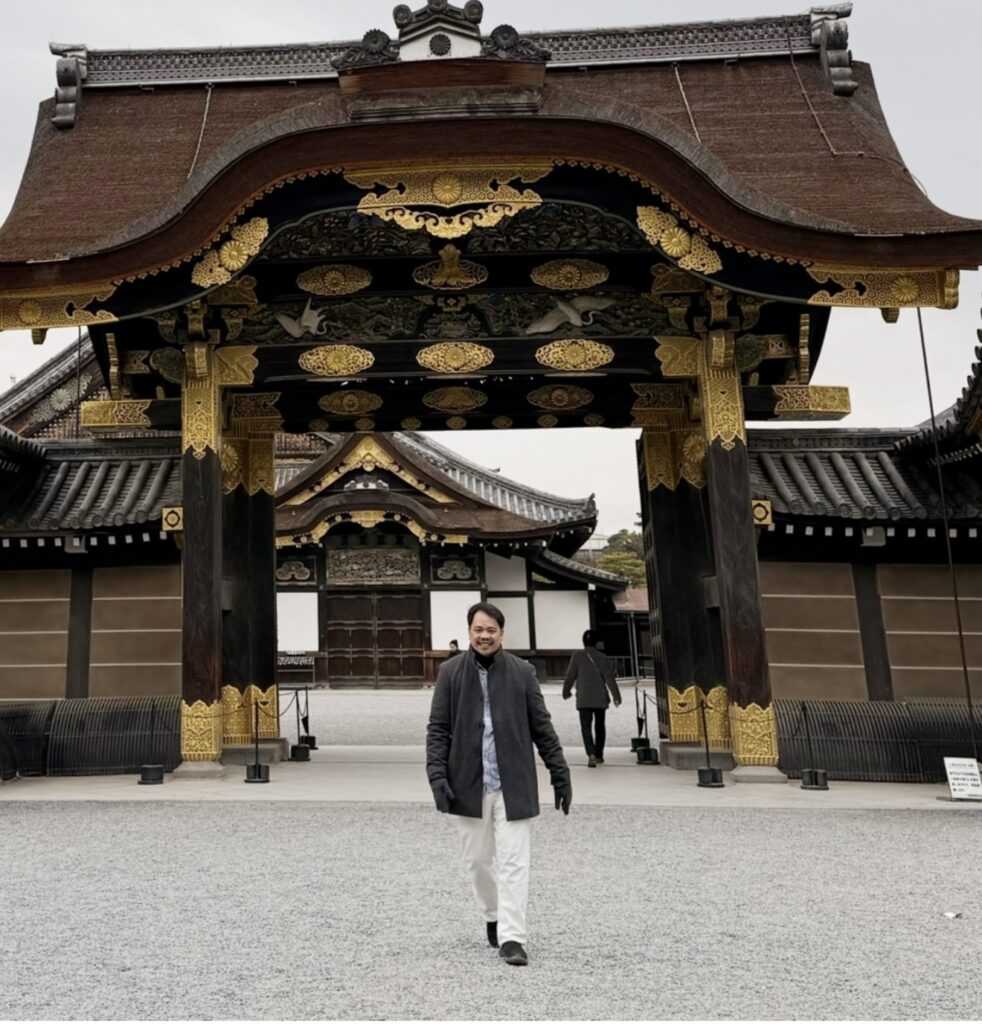
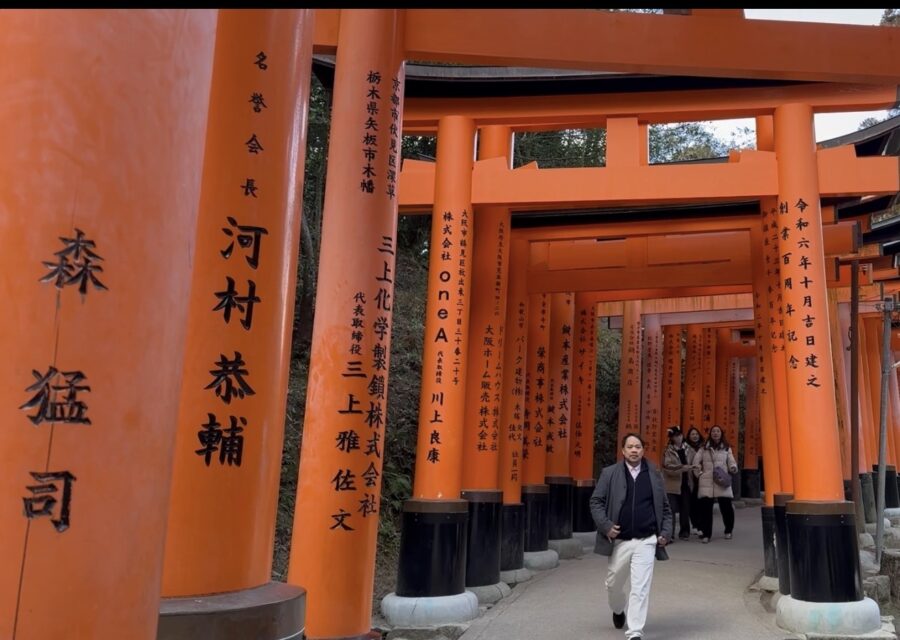
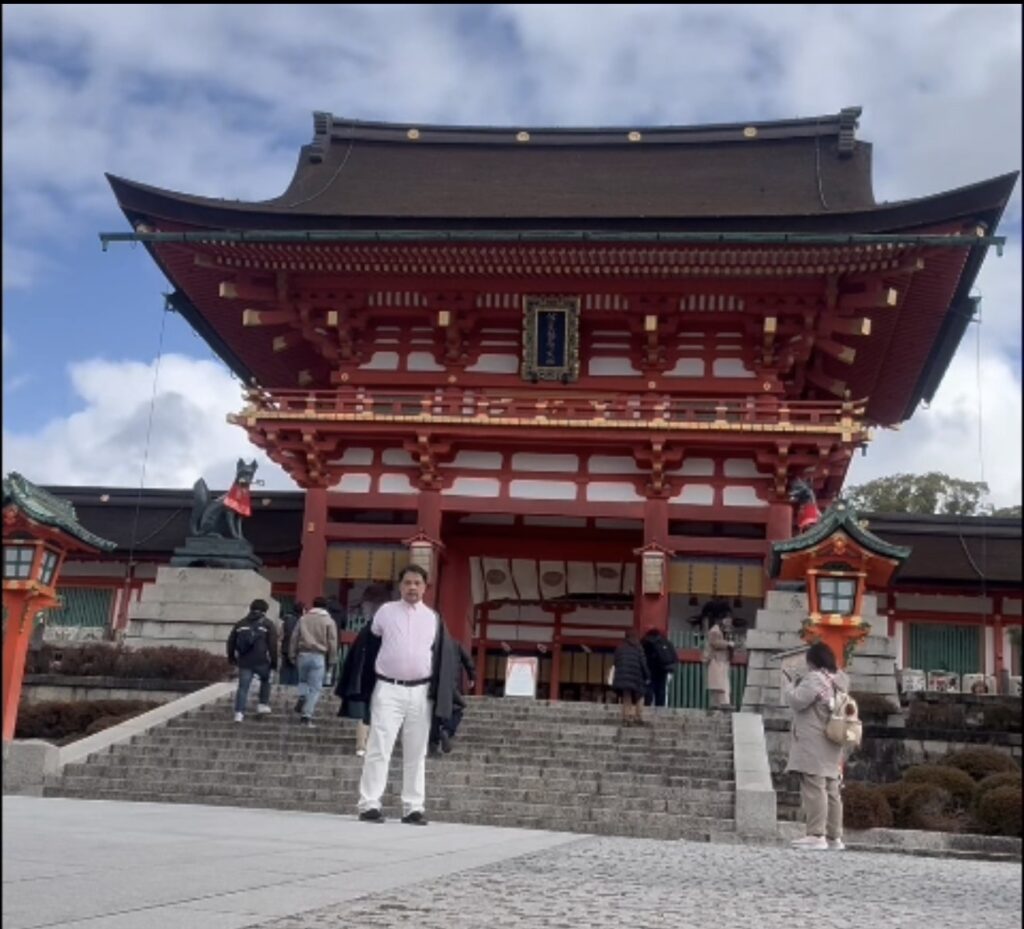
One of the most striking embodiment of Kansai’s vibrant spiritual side is Fushimi Inari Taisha in southern Kyoto. The shrine’s entrance features a grand red torii gate, its curved roof and intricate wooden details framed against a partly cloudy sky. A statue of a fox—messenger of Inari, the deity of rice, prosperity, and business—stands sentinel with a red bib, adding a touch of whimsy and folklore to the scene. The visitor stands confidently at the base of the stairs, blending modern attire with the ancient architecture. Another image shows the famous Senbon Torii, the thousands of vermilion gates forming a tunnel up Mount Inari. The bright orange pillars, inscribed with donor names and dates, create a rhythmic, almost hypnotic pathway through the forest. Walking beneath them feels like stepping into a living symbol of devotion and ambition—each gate a gift from those seeking blessings, turning personal aspirations into a collective, colorful spectacle. This vibrant, crowded, and energetic experience contrasts sharply with the quieter, more introspective aspects of Kyoto.
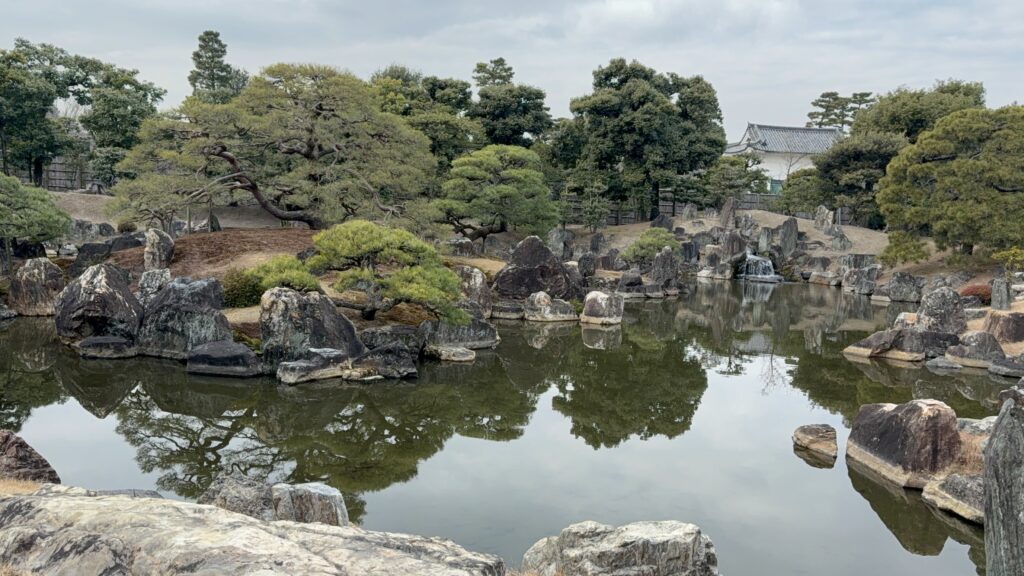
The region’s contemplative side emerges in its renowned gardens and imperial sites. A photograph captures a classic Japanese garden landscape: a still pond reflecting twisted pine trees, moss-covered rocks, and distant architecture, with a small waterfall adding gentle motion. The scene evokes perfect balance and restraint, where every stone and tree is placed with intention to inspire meditation and harmony with nature. This Zen-like serenity—seen in places like the gardens of Kyoto’s historic temples—stands in direct opposition to the lively, almost overwhelming paths of Fushimi Inari. While one invites endless movement and ascent, the other demands stillness and reflection, highlighting Kansai’s ability to offer both spiritual exhilaration and profound calm within short distances.
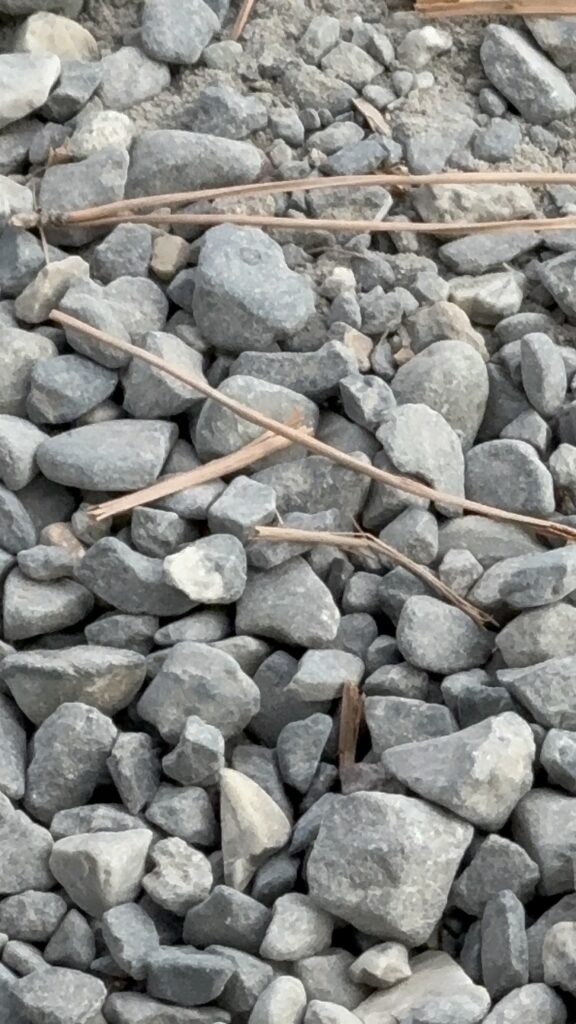
Everyday contrasts appear in smaller, unexpected moments. A close-up of gravel scattered with stray pine needles and twigs captures the unpolished texture of the ground beneath grand shrines and palaces. This humble, gritty surface—ordinary and overlooked—reminds us that even in a region celebrated for its refined beauty, the raw materials of the earth persist. It serves as a subtle counterpoint to the polished elegance of torii gates and golden-leafed temples elsewhere in Kyoto, grounding the journey in reality amid the sublime.
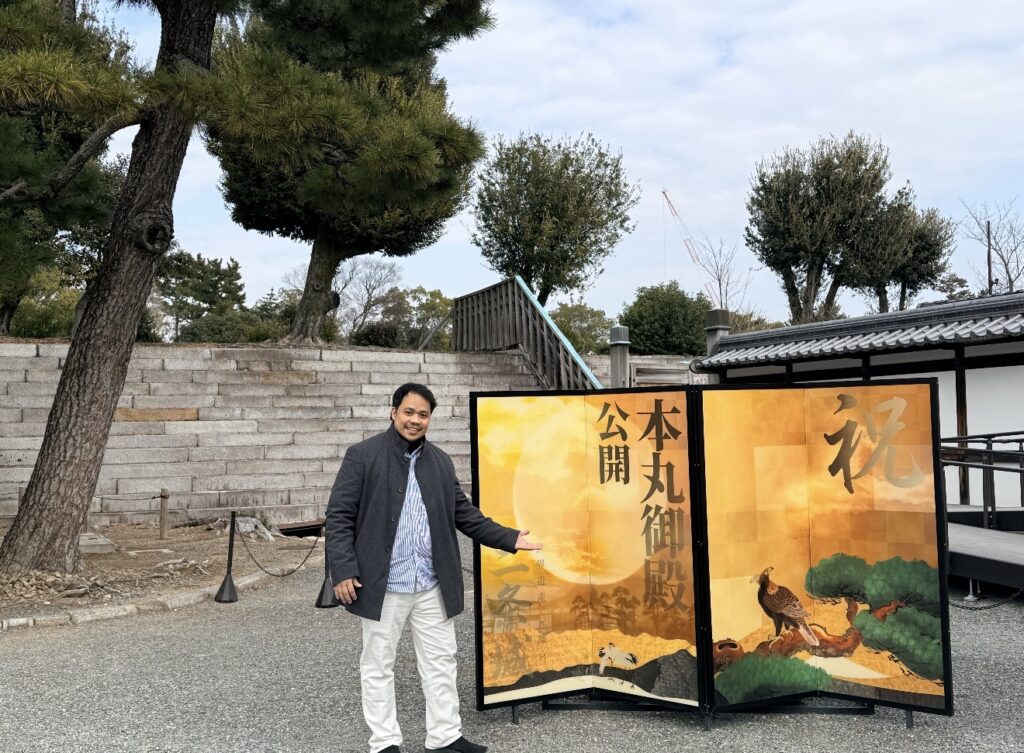
Further glimpses show the imperial heritage: a person posing proudly in front of a large folding screen adorned with traditional motifs of a full moon, hawks, and pine trees, set against stone steps and winter-bare branches. This evokes the grandeur of Kyoto’s Imperial Palace or related sites, where history feels tangible in architecture and seasonal displays. Another image places the traveler on a high vantage point, overlooking a valley with bare trees and distant rooftops under overcast skies, a sign warning of danger adding a modern, practical note to the scenic overlook. These moments blend personal presence with the weight of centuries, showing how Kansai invites visitors not just to observe but to stand within its layers of time.
Ultimately, Kansai’s journey of contrast lies in its refusal to be singular. It juxtaposes the lively, fox-guarded exuberance of Fushimi Inari with the meditative restraint of rock gardens and ponds; the monumental scale of historic gates and palaces with the mundane beauty of scattered stones; the sacred and the secular, the ancient and the contemporary. Traveling through this region feels like moving between worlds—energetic climbs up sacred mountains, quiet contemplations in mossy gardens, and casual overlooks of sprawling landscapes—all within the same cultural heartland. In Kansai, these opposites do not clash but enrich one another, creating a tapestry that captures the full spectrum of Japanese experience. It is a place that rewards the traveler with depth, surprise, and an enduring sense of discovery.

 Clap
Clap